A No Sweat Intro is a free, relaxed chat with a coach, over the phone or in person, to discuss your goals and how we can help you get started, no workout or pressure to join.
No. Building fitness is what you’re here for. We’ll help you find a suitable starting point and adjust movements, weights and pace to your experience, so you can learn without feeling rushed.
Wear comfortable clothes you can move in, bring a bottle of water and choose trainers suitable for exercise. Arrive a little early so we can introduce ourselves and help you settle in.
Start by telling us which programme interests you and how often you’d like to train. We’ll explain the current membership options, what’s included and how to get started.
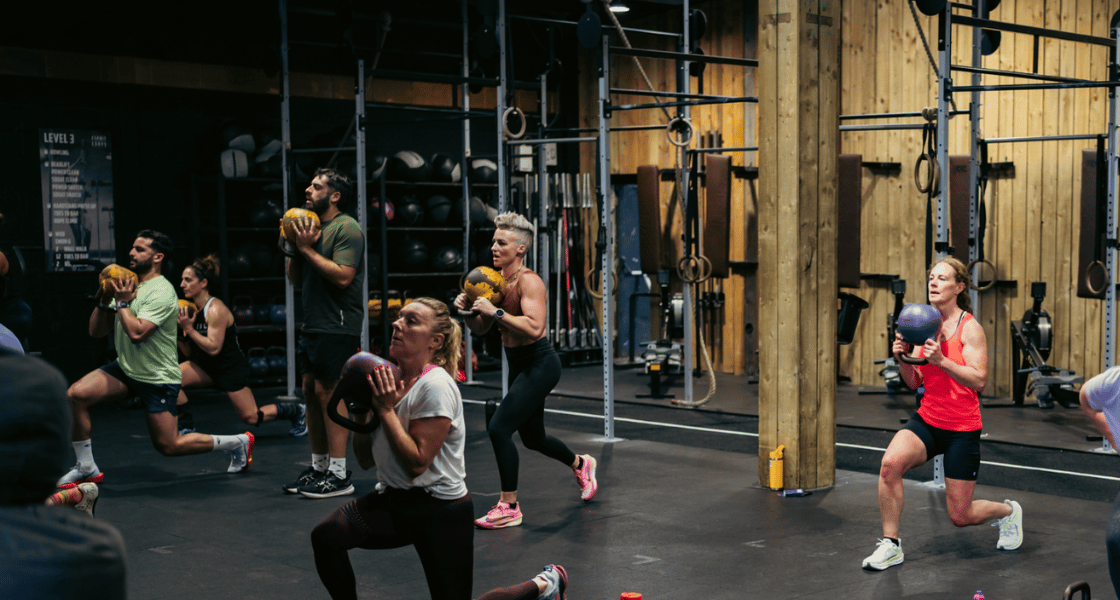
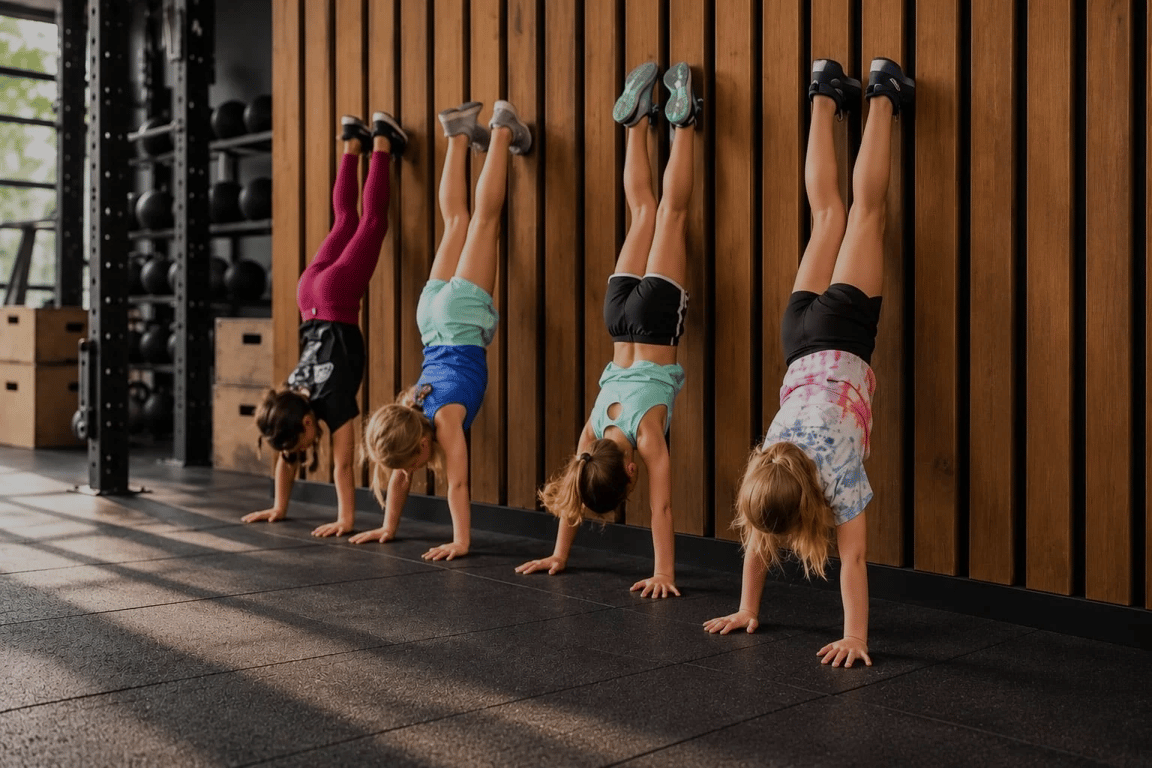
We offer CrossFit, HYROX, Teens and Kids. Whether you’re looking for varied training, preparing for a race or introducing your child to the gym, we can help you find a suitable programme.
Let us know before your first session so we can discuss your circumstances. Our coaches adapt training to different abilities and limitations, taking any relevant guidance from your healthcare professional into account.